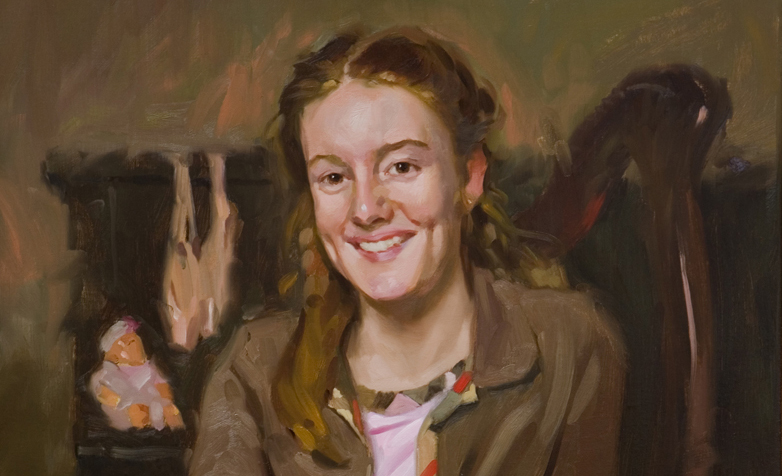
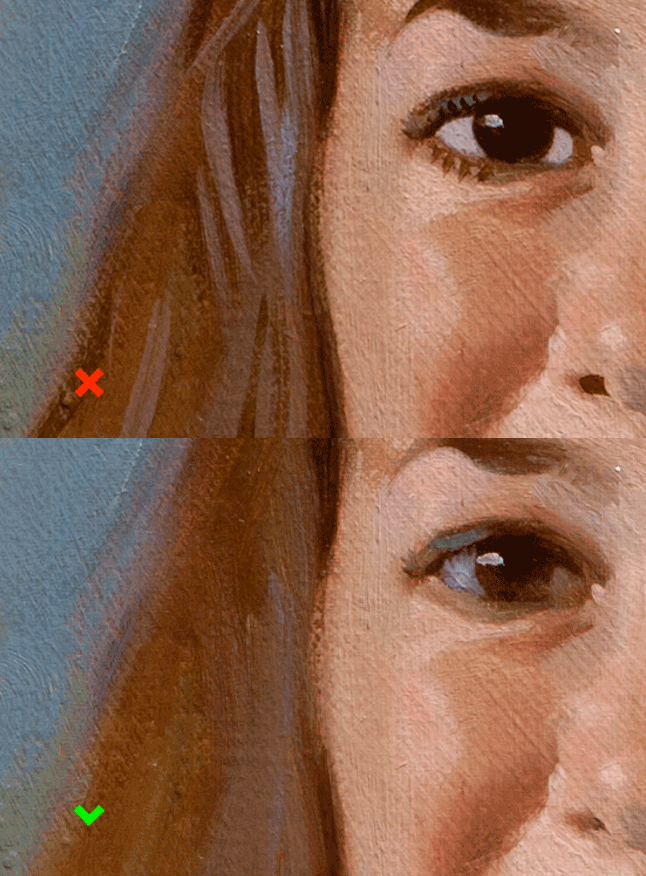
Portrait painting from photography has pros and cons. One of the major drawbacks is the inclination to copy all the details. Detailed or blurry?Apparently every wrinkle, eyelash and hair lock must be displayed faithfully. But a good portrait is not a sum of all observable details. I have said it last week: It’s not about whether it just seems real, the point is that it is true and authentic.
You know I’m far from being an opponent of working from photography. I have received my share of criticism for this stance. That is fine by me. I know whereof I speak, take it from me. Many of my colleagues use photography. And lots for 100% of their work. Only: they do not want to talk about it! I know this phenomenon from the inside out, and I remain to tell you the truth.
But without prejudice I encourage everyone to study from observation. One of the special features is the reflection of a quest. All the elements of a face are not always immediately in the right place on the canvas. And I like to see these little changes of detail in the work. It gives the final artwork that unique charm.
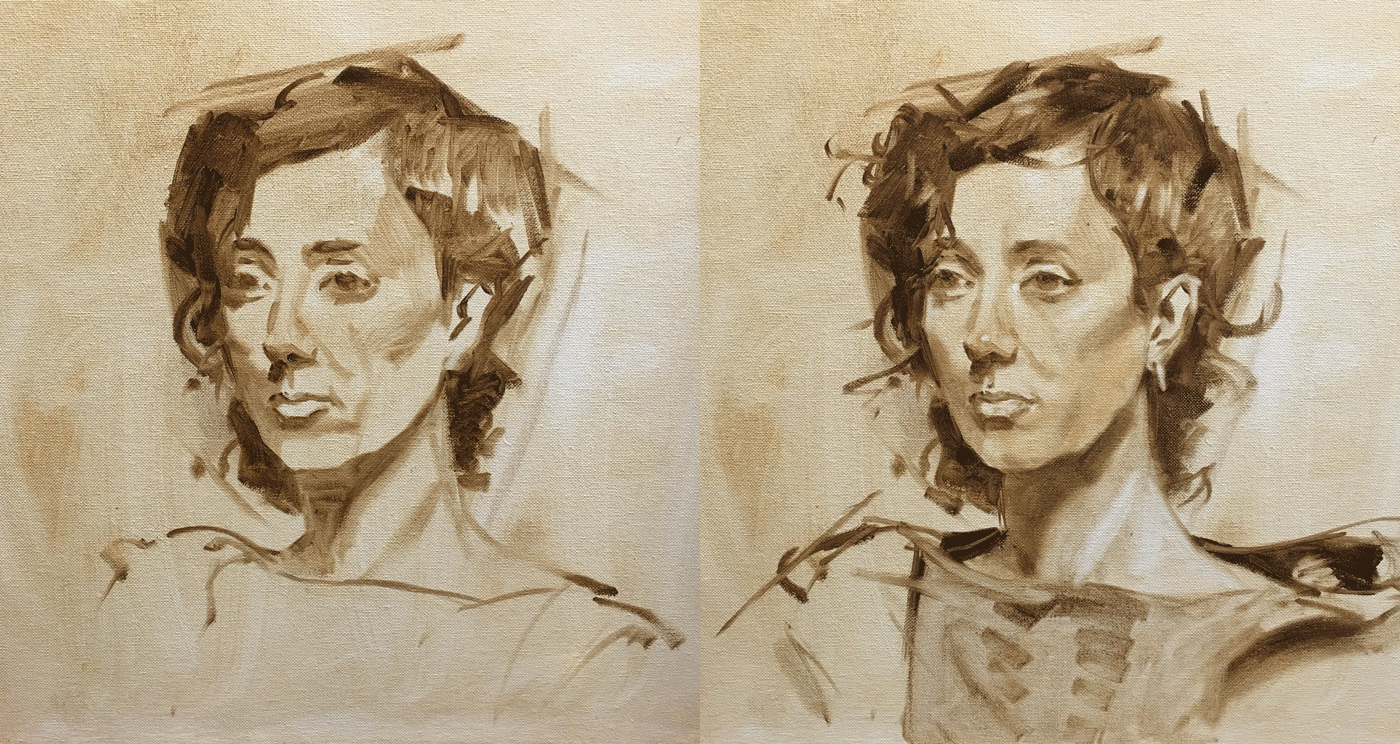
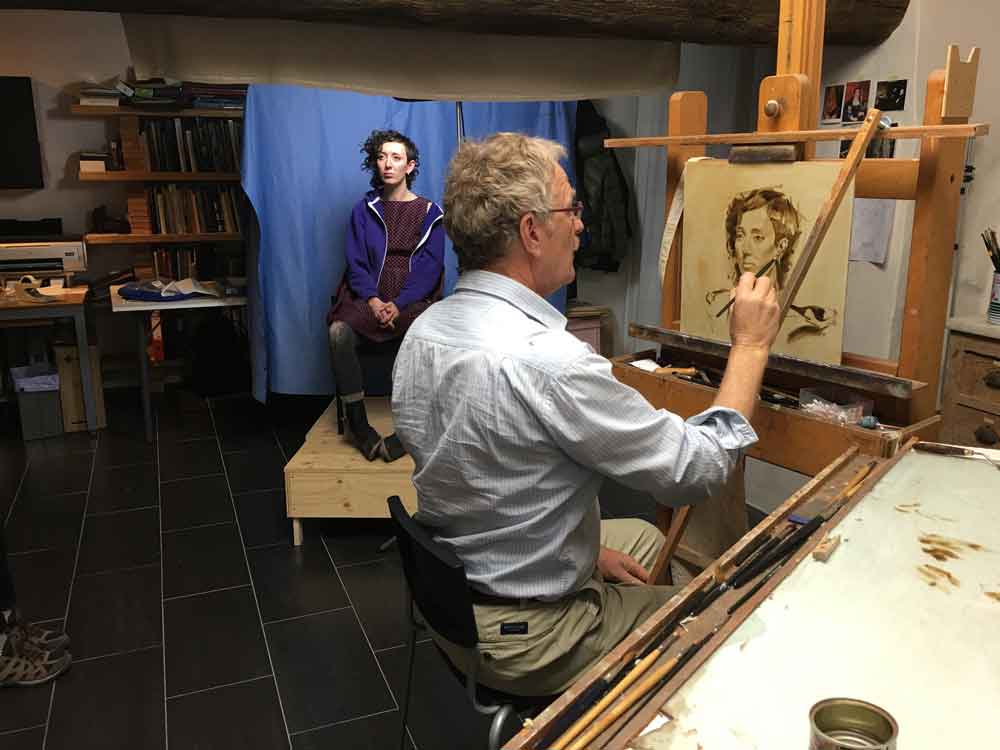
When I work from a live model, I should actually take many more pictures in between to show that process well. The accompanying picture shows two shots. One after a session of 20 minutes and the other after an hour. Pay special attention to the small changes around the mouth and the eyes.
Of course it is an added problem when a model cannot sit still for more than five minutes, at least I can´t. ( I am always happy to be the painter and not the sitter) Every model tends to drift or have difficulties to hold one position. That is why I always take some pictures with my cellphone before stopping the session. So afterwards I am able to correct some features when the model had gone.
Canvas and preparations. The word canvas means a fabric used as a painting surface. Sometimes the canvas is made from cotton fibers and other times from linen fibers. Panel is nowadays almost always made of masonite or fiber board.
Whatever you use, the big secret is in the preparation.
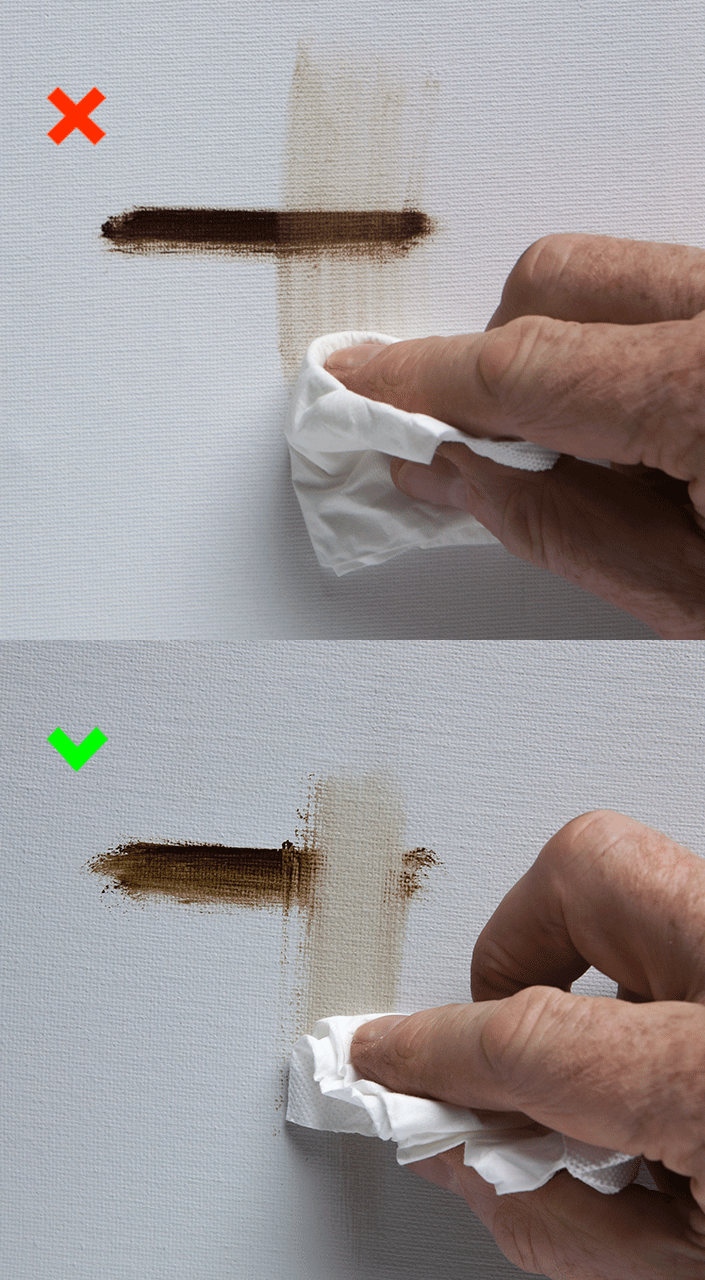
testing the canvas
Poorly prepared panel or canvas is lethal. Often this trashy quality is the reason, a novice in oil painting gives up after a few attempts. Flimsy linen absorbs immediately every brushstroke. Continue reading “Canvas and preparations”
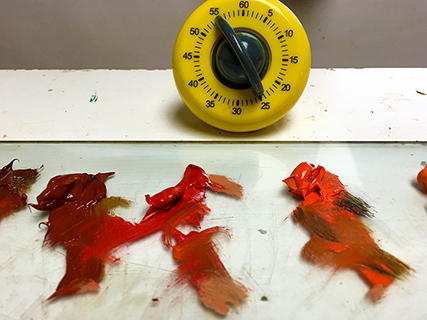
Beside my palette is an egg timer. I set it to 25 minutes. For that time, I paint. Then I take a 5 minute break and then set the alarm again for another twenty-five minutes.
How did I come up with that idea?Not on my own. A few weeks ago I read an article about the Pomodoro Technique. I looked it up on the Internet and I was amazed at the amount of information. I immersed myself in it and decided to try this. And I can tell you IT WORKS! Continue reading “Portrait painting with an egg timer.”
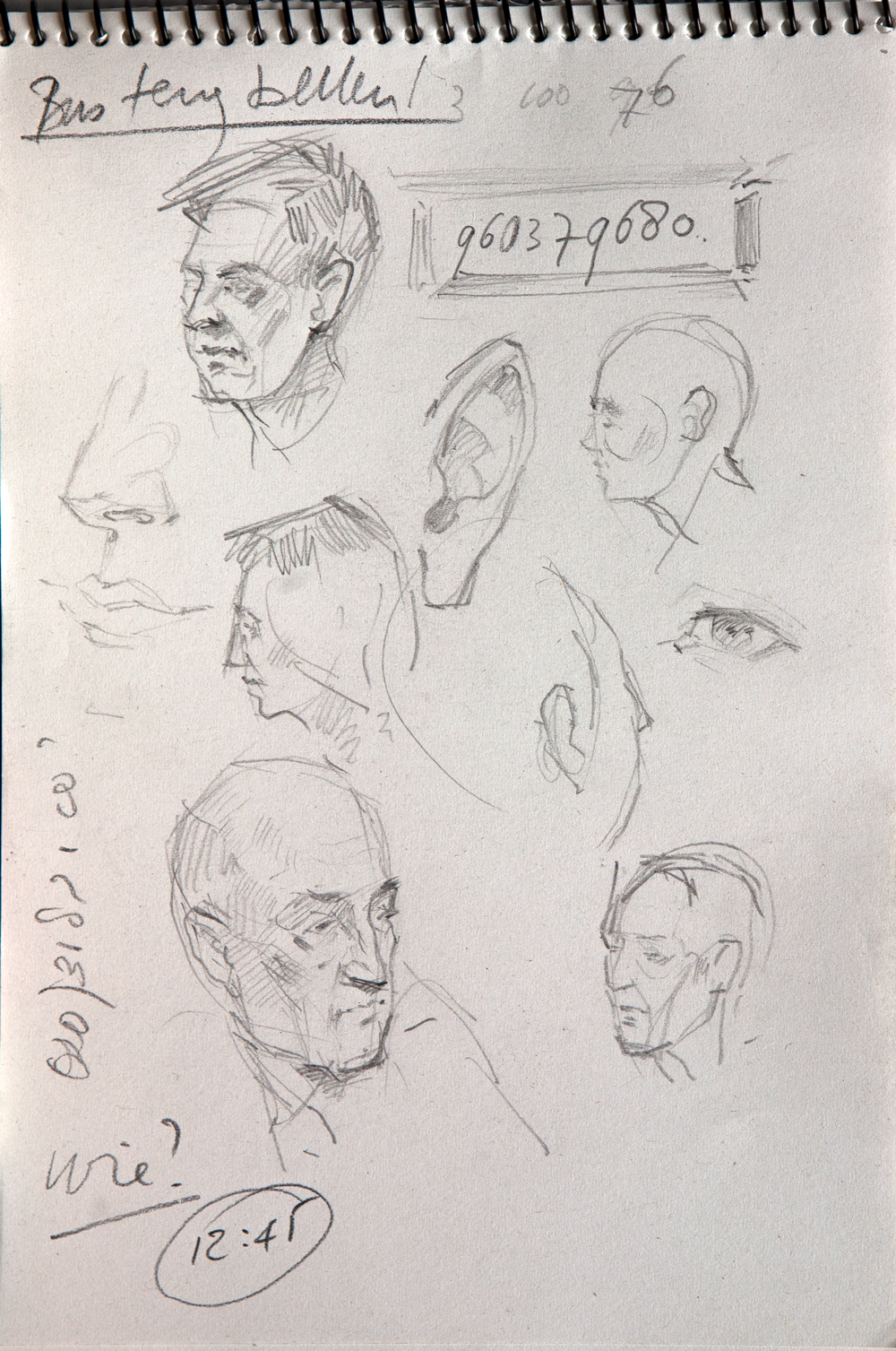
This is the first of a series of 10 blog-posts, in which I will discuss ten of the most common pitfalls in portrait painting. I will publish every fortnight on each topic. Continue reading “About photography”